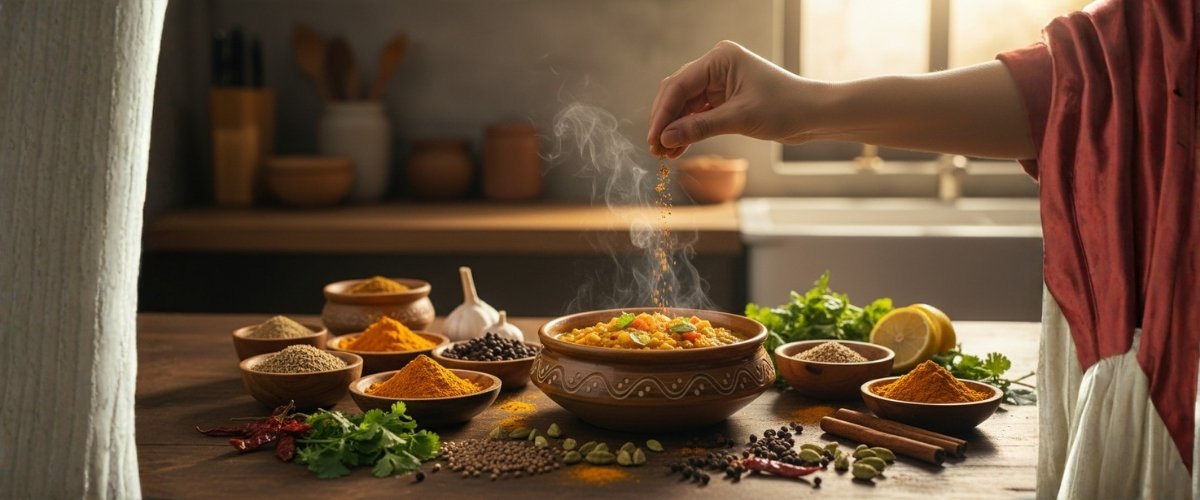
Indian spices are known worldwide not just for their bold flavours, but also for their natural health benefits. For centuries, Indian kitchens have relied on spices to improve taste, aroma, and digestion—long before modern nutrition science confirmed their value.
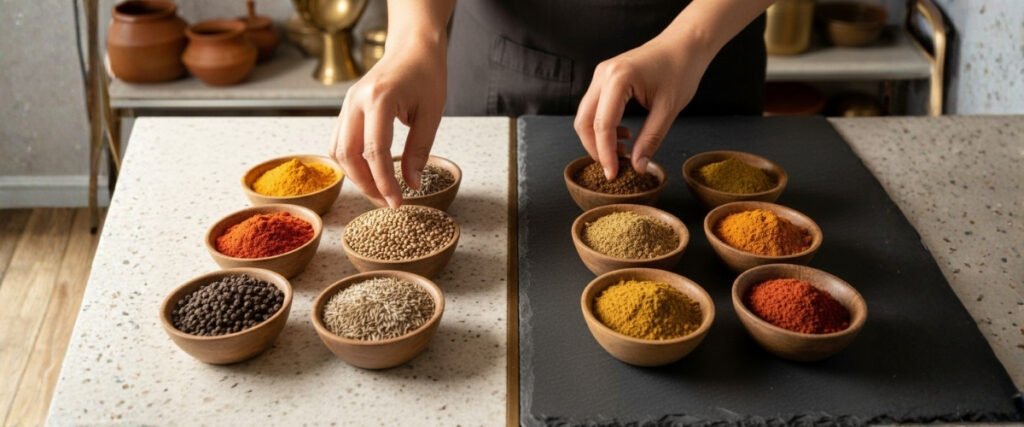
Each traditional spice plays a unique role. Turmeric is valued for its warming and cleansing properties, cumin aids digestion, coriander cools the body, and black pepper enhances nutrient absorption. When these spices are combined thoughtfully, they create balanced flavours while supporting overall wellness.
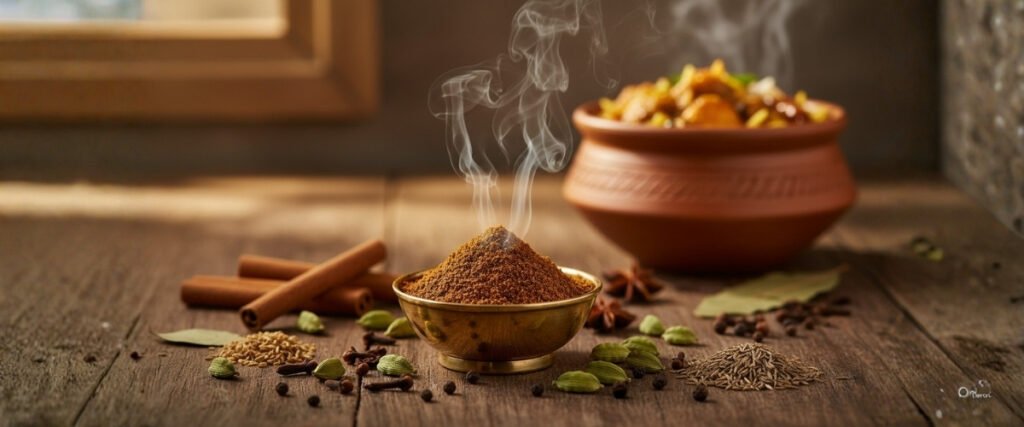
The aroma of spices is equally important. Freshly ground spices release essential oils that stimulate appetite and elevate the cooking experience. This is why traditional masalas smell richer and taste deeper than mass-produced alternatives. The freshness of spices directly impacts how food feels and tastes.
Another advantage of traditional spice usage is portion control. Indian cooking relies on small quantities of spices used correctly, rather than heavy sauces or artificial flavour enhancers. This leads to healthier meals that are full of character without being overly rich.
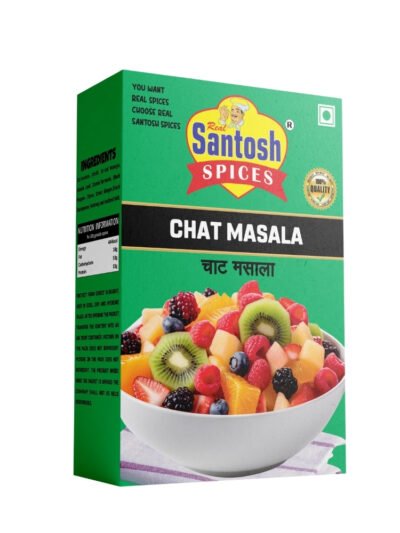
Modern lifestyles often push people toward ready-made foods, but traditional spices offer a natural way to keep home cooking both convenient and nourishing. Having quality spice blends on hand makes everyday cooking easier without compromising authenticity.
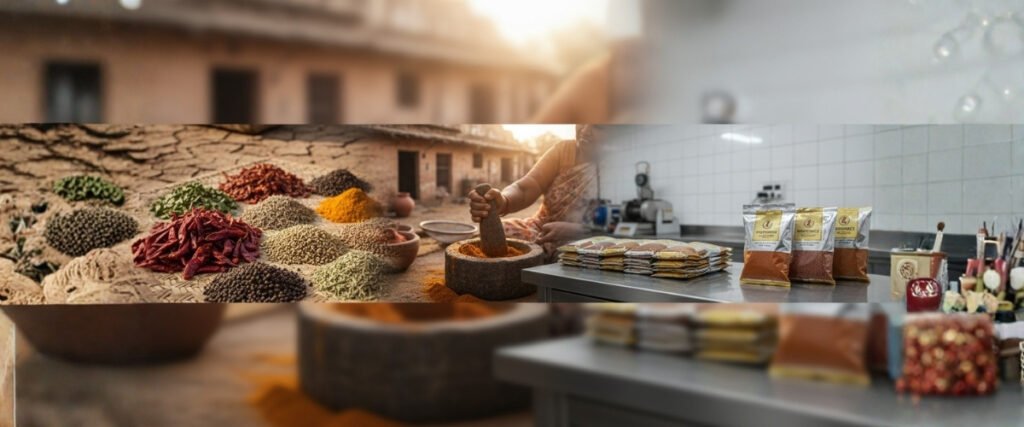
Hygiene and sourcing are equally important. Spices should be cleaned, processed, and packed carefully to maintain purity. When spices are handled properly, they retain their nutritional value and aroma for longer periods.
Ultimately, traditional Indian spices are not just ingredients—they are daily companions in Indian kitchens. They bring warmth, balance, and comfort to food, making each meal more satisfying and wholesome.